Honoring Ancestors Lives


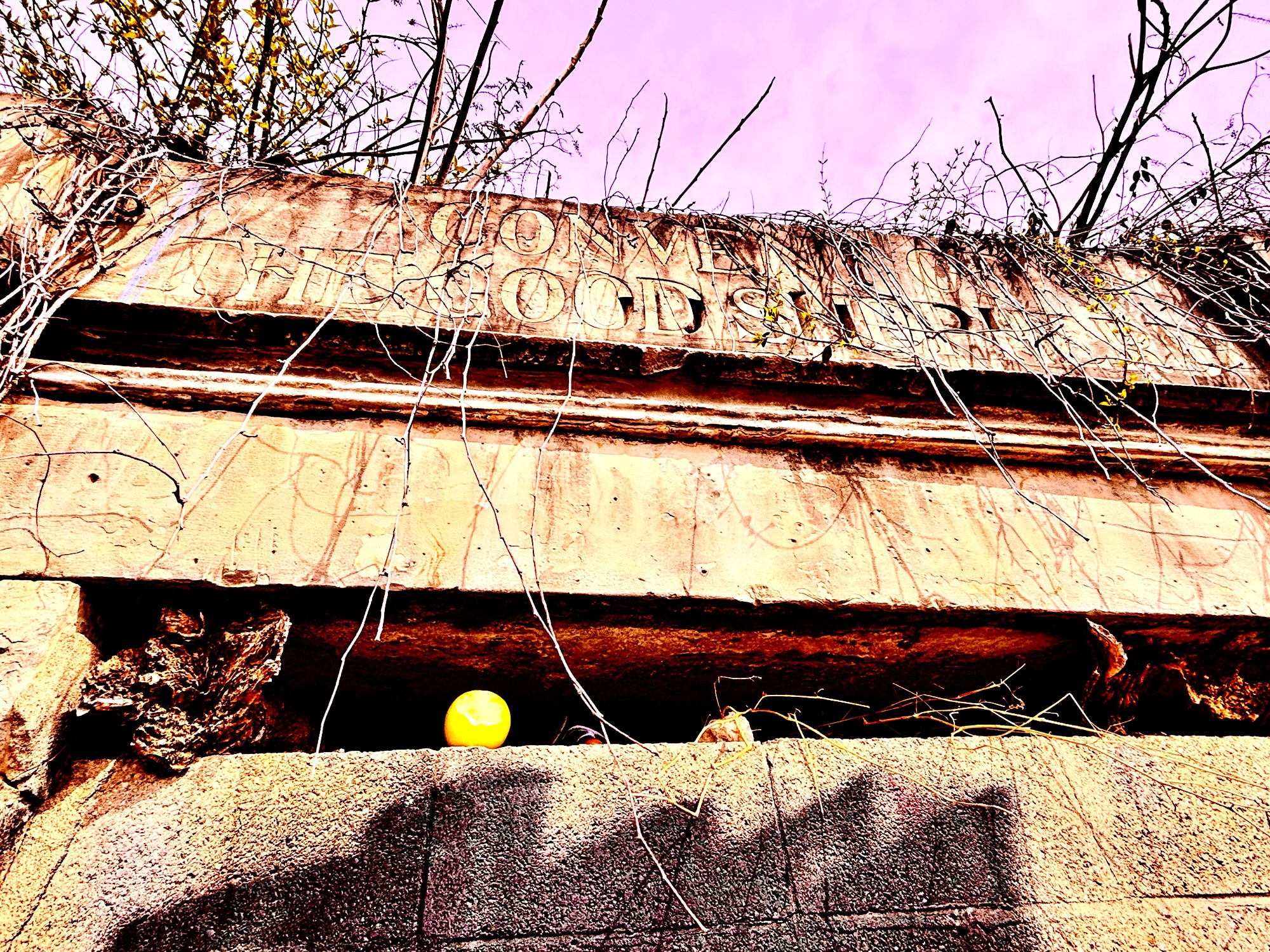
Granny Smith Apple – minus one bite,
beads and gems from jewelry set, Sweetgum seed pods,
shells from Ohio River, coins,
Virgin of Guadalupe Votive Candle.


History:
The details you’ve shared align with a tragic but common historical narrative in 19th-century Cincinnati. The John Kroger you are researching, listed as a Tailor Hand in the 1870 census, appears to be part of a family that was indeed fractured by the cholera outbreaks that plagued the city’s dense immigrant districts.
The Kroger Family and the 1870 Census:
In 1870, this household was living in Ward 1, which encompassed the riverfront and parts of the Over-the-Rhine neighborhood.
- John Kroger (40, Tailor Hand): Working as a “tailor hand” meant he likely performed skilled manual sewing, often for the large-scale clothing manufacturers that defined Cincinnati’s economy at the time.
- Anna Kroger (27, Wife)
- Dora (6) and Fred (3)
Connection to the Convent of the Good Shepherd:
The Convent of the Good Shepherd on Bank Street (and later the one you pictured in Mt. Adams) was deeply involved in the clothing trade. The sisters ran “Industrial Schools” where they taught and performed commercial sewing, embroidery, and vestment making.
- It is highly plausible that a “Tailor Hand” like John Kroger worked in or near these institutions, as they were the center of the local garment and “needle trade” for the Catholic community.
- The archway in your image was the back entrance to the Baum Street Convent, built in 1873, just as many families were being displaced by industry and disease in the lower wards.
The 1880 Census and St. Aloysius
Your finding of Fred Kroger at St. Aloysius Orphan Asylum in the 1880 census confirms the family’s devastation.
- St. Aloysius was specifically a German Catholic orphanage. During the cholera and smallpox epidemics of the 1870s, it was common for surviving children of German immigrants to be sent there if both parents or the primary breadwinner succumbed to disease.
- By 1880, the orphanage had moved to its Bond Hill location, which provided a “country refuge” for children away from the industrial pollution of Ward 1.

The “Tears of the Field”
- The Potter’s Field: Washington Park sits atop what was once the 12th Street Burying Ground, where thousands of Cincinnati’s “anonymous” poor—many of them Cholera victims—were buried in mass graves.


Related: Inspiring Story in my feed.


